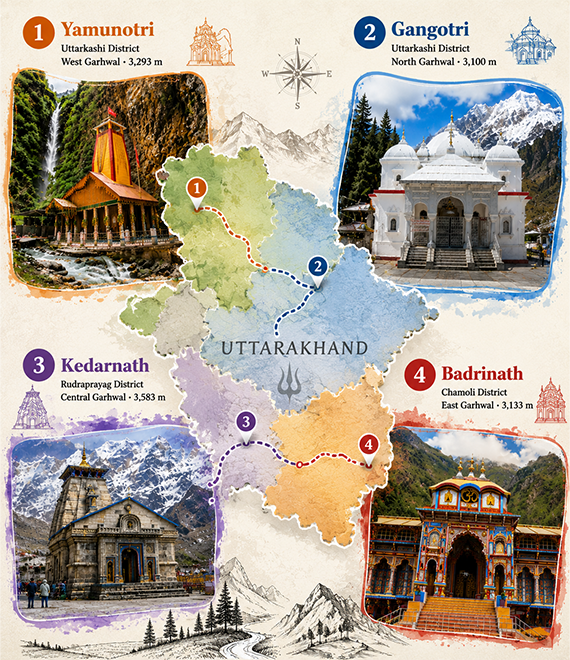
What exactly is the Chota Char Dham Yatra?+
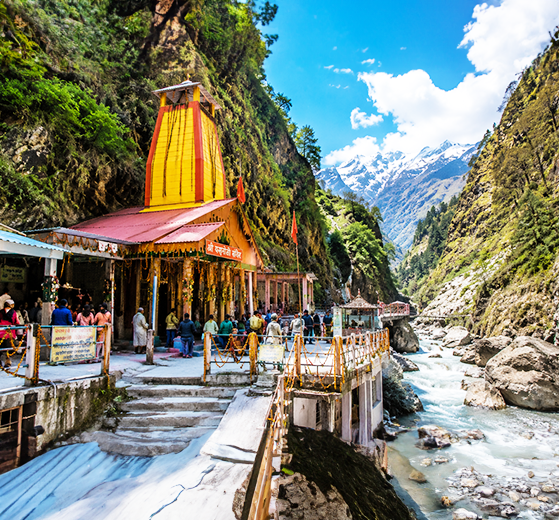
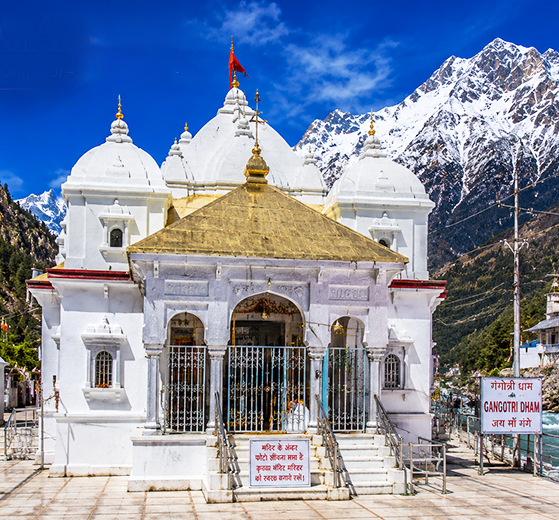
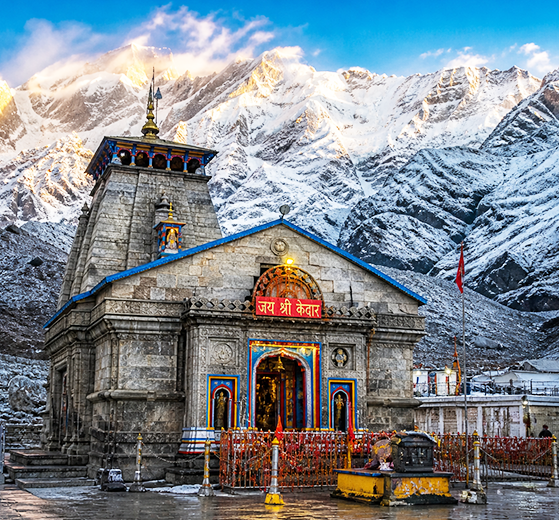
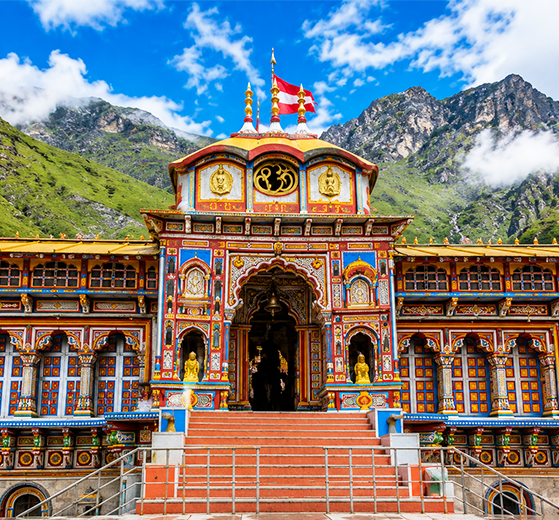
The Chota Char Dham Yatra is the sacred Himalayan pilgrimage covering four divine shrines — Yamunotri, Gangotri, Kedarnath, and Badrinath — all located in the Garhwal region of Uttarakhand state. It is called "Chota" (small) to distinguish it from the larger pan-India Char Dham established by Adi Shankaracharya. Despite the name, this is one of the most revered pilgrimages in Hinduism.
Why is Badrinath part of both Chota Char Dham and the All-India Char Dham?+
Badrinath holds a unique distinction — it is geographically the northernmost dham of India (qualifying it for the All-India Char Dham of Adi Shankaracharya), AND it lies within the Garhwal Himalayas of Uttarakhand (qualifying it for the Chota Char Dham). Lord Vishnu, who resides here as Badri Vishal, is worshipped in both contexts.
Why are prices not shown on the website?+
Chota Char Dham yatra pricing varies significantly based on your departure city, travel dates, group size, and whether you choose road or helicopter yatra. Flight fares, hotel rates, and helicopter charges fluctuate seasonally. We customize each quote to give you the most accurate and competitive pricing for your specific journey.
When is the best time to do the Chota Char Dham Yatra?+
The yatra season runs from late April/early May to October/November. Best months are May-June (after temple opening, before monsoon) and September-October (post-monsoon clear weather). Avoid July-August due to heavy rainfall and landslide risks. The temples remain closed from November to April due to extreme winter snowfall.
How many days are required for the complete Chota Char Dham Yatra?+
By road: 10-12 days for the complete yatra covering all 4 dhams. By helicopter: 5-6 days. Each dham typically requires 1-2 days (including travel and darshan). We also offer combinations — e.g., helicopter for Kedarnath only and road for the rest, completing in 8-9 days.
What is the significance of doing the yatra in clockwise order?+
Hindu tradition prescribes a specific clockwise sequence: Yamunotri → Gangotri → Kedarnath → Badrinath. This represents a spiritual progression — from purification at the river sources (Yamuna, Ganga), to destruction of ego at Shiva’s abode (Kedarnath), and finally liberation at Vishnu’s abode (Badrinath). It is believed that following this order maximizes the spiritual benefits of the yatra.
Is yatra registration mandatory?+
Yes, online registration is mandatory for the Chota Char Dham Yatra on the Uttarakhand Tourism portal (registrationandtouristcare.uk.gov.in). You'll need a valid photo ID and a passport-size photograph. Our team handles this registration for all package clients at no extra cost — including biometric verification at Haridwar/Rishikesh checkpoints if needed.
Is the yatra suitable for senior citizens above 65?+
Yes, with proper planning. For senior citizens, we strongly recommend the Helicopter Yatra which eliminates the strenuous 16 km Kedarnath trek and reduces overall fatigue. We also arrange palki/pony, wheelchair support, ground-floor rooms, slow-paced itineraries, and on-call medical assistance. Medical fitness certificate is mandatory for those above 70 years.
Can I skip Kedarnath because of the difficult trek?+
Yes, we offer multiple alternatives: (1) Helicopter to Kedarnath only (return same day), (2) "Do Dham Yatra" covering Kedarnath + Badrinath only, or (3) "Teen Dham" skipping Kedarnath entirely. However, since Kedarnath is one of the 12 Jyotirlingas, we encourage devotees to attempt at least helicopter darshan.
What is the altitude sickness risk and how is it managed?+
Kedarnath (3,583 m) has the highest risk, followed by Yamunotri (3,293 m), Badrinath (3,133 m), and Gangotri (3,100 m). To prevent altitude sickness: stay hydrated, avoid alcohol throughout the yatra, walk slowly during treks, eat light meals, and consider Diamox tablets (after consulting your doctor). Our tour managers carry basic medical supplies and have tie-ups with local doctors.
Is the helicopter yatra safe?+
Yes. We partner only with DGCA-approved helicopter operators who follow strict safety protocols. Flights operate from registered helipads at Phata, Sersi, Guptkashi (for Kedarnath), Sahastradhara (for other dhams). Weather conditions are monitored hourly — flights are cancelled and rescheduled in case of poor visibility. All passengers receive safety briefings before boarding.
What kind of food is available during the yatra?+
Only pure vegetarian satvik food is served throughout the Uttarakhand yatra route. Non-vegetarian food, alcohol, and eggs are strictly prohibited near all temple areas. You’ll enjoy traditional Garhwali cuisine — dal, rice, sabji, roti, kadhi, pakoras, jalebi, and local specialties like Mandua roti, Phaanu, and Aloo ke Gutke.
Do I get VIP darshan included?+
Yes, all our Standard and Premium packages include VIP darshan arrangement at all 4 dhams. This means priority queue access (skipping regular waiting time which can be 2-6 hours during peak season), and our local representative personally escorts you for a peaceful, unhurried darshan. Private abhishek & rudrabhishek puja can be arranged at additional cost.
What is the cancellation and refund policy?+
30+ days before travel: 90% refund. 15-29 days: 70% refund. 7-14 days: 50% refund. Under 7 days: 25% refund. In case of natural calamities (landslides, floods, government restrictions), full rescheduling at no extra cost is offered. All refunds are processed within 7-10 working days to the original payment method.
Are mobile networks and ATMs available throughout?+
Mobile networks: BSNL and Jio work best in remote areas. Network is patchy at Yamunotri and Kedarnath; Airtel works at most major towns. WiFi is available at most hotels. We provide 24/7 satellite phone support during the Kedarnath trek. ATMs: Available at Haridwar, Rishikesh, Uttarkashi, Joshimath, Guptkashi, and Badrinath. Carry sufficient cash for smaller stops.
Can the yatra be customized for our family or group?+
Absolutely! We specialize in customized packages for families, friend groups, corporate retreats, and senior citizen groups. Whether you’re 2 people or 50+, we tailor every aspect — itinerary pace, accommodation tier, transport type, meal preferences, special pujas, and even doctor accompaniment if needed. Share your requirements via the enquiry form for a custom quote.
What happens if there are landslides or bad weather?+
Safety is our top priority. We monitor weather and road conditions daily through the Uttarakhand Disaster Management Department. In case of landslides or extreme weather: (1) We reroute via alternative roads where possible, (2) Hold groups in safe locations until clearance, (3) Offer free rescheduling if the yatra cannot proceed safely. Our tour managers carry emergency contacts, satellite phones, and first-aid kits.
What documents are required for the yatra?+
Required documents: (1) Original Government Photo ID (Aadhaar, PAN, Driving License, Passport — any one), (2) 2 passport-size photographs per traveller, (3) Medical fitness certificate (for travellers above 70 years), (4) Yatra registration confirmation (we provide), (5) Helicopter ID confirmation if booked. Foreign nationals must also carry passport and visa copies.